
Gluten-free BBQ seasonings are more complicated than they should be. The spices themselves — garlic, pepper, paprika, salt — are naturally gluten-free. The problem is what happens during processing and what gets added to finished blends.
Here’s what to look for on the label, where hidden gluten shows up in spice blends, and how to verify a seasoning is actually safe if you have celiac disease or gluten sensitivity.
Are Spices Naturally Gluten-Free
Yes — individual spices in their pure form contain no gluten. Garlic, onion, black pepper, paprika, cumin, chili powder, salt, and sugar are all naturally gluten-free. The same is true for herbs like thyme, oregano, and rosemary.
So where does gluten get in Through additives, processing aids, and shared manufacturing equipment.
Where Gluten Hides in BBQ Seasonings
Fillers and Carriers
Some spice blends use wheat flour or wheat starch as a carrier or anti-caking agent. This is less common than it used to be but still appears, especially in cheaper blends or products made for food service. Check for “wheat,” “wheat starch,” “wheat flour,” or “modified wheat starch” in the ingredient list.
Soy Sauce Powder
Traditional soy sauce is made with wheat. Soy sauce powder in a seasoning blend brings gluten with it unless the label specifically states it’s made with tamari (wheat-free soy sauce). Many Asian-style BBQ rubs and teriyaki seasonings contain soy sauce powder.
Malt Vinegar Powder
Malt comes from barley, which contains gluten. Malt vinegar powder appears in some BBQ seasonings for tang and acidity. If you see “malt” or “malt vinegar” in a spice blend, it’s not gluten-free.
Cross-Contamination
This is the bigger issue for people with celiac disease. A spice facility that also processes wheat-containing products can contaminate otherwise gluten-free spices through shared equipment, shared air, or shared packaging lines.
For people with mild gluten sensitivity, cross-contamination may not be a concern. For celiac patients, it is. This is why “gluten-free” certification matters more than just reading the ingredient list.
How to Verify a Seasoning Is Gluten-Free
Read the Ingredient List First
Look for wheat in any form — wheat flour, wheat starch, modified wheat starch, bulgur, semolina, spelt, farro, durum, malt, barley, rye. If any appear, the product is not gluten-free.
Check for “Contains: Wheat” Allergen Statement
US labeling law requires disclosure of major allergens including wheat. If a product contains wheat in any form, it must say so in the “Contains” statement below the ingredient list. The absence of wheat in the allergen statement is a good signal, but doesn’t address cross-contamination.
Look for Gluten-Free Certification
The Gluten-Free Certification Organization (GFCO) certifies products to less than 10 parts per million of gluten — stricter than the FDA’s 20 ppm threshold for labeling. GFCO-certified products are the safest choice for celiac patients.
The NSF Gluten-Free certification is also reliable. Generic “gluten-free” claims on packaging without a certification body are less verifiable.
SmokED Stuff and Gluten
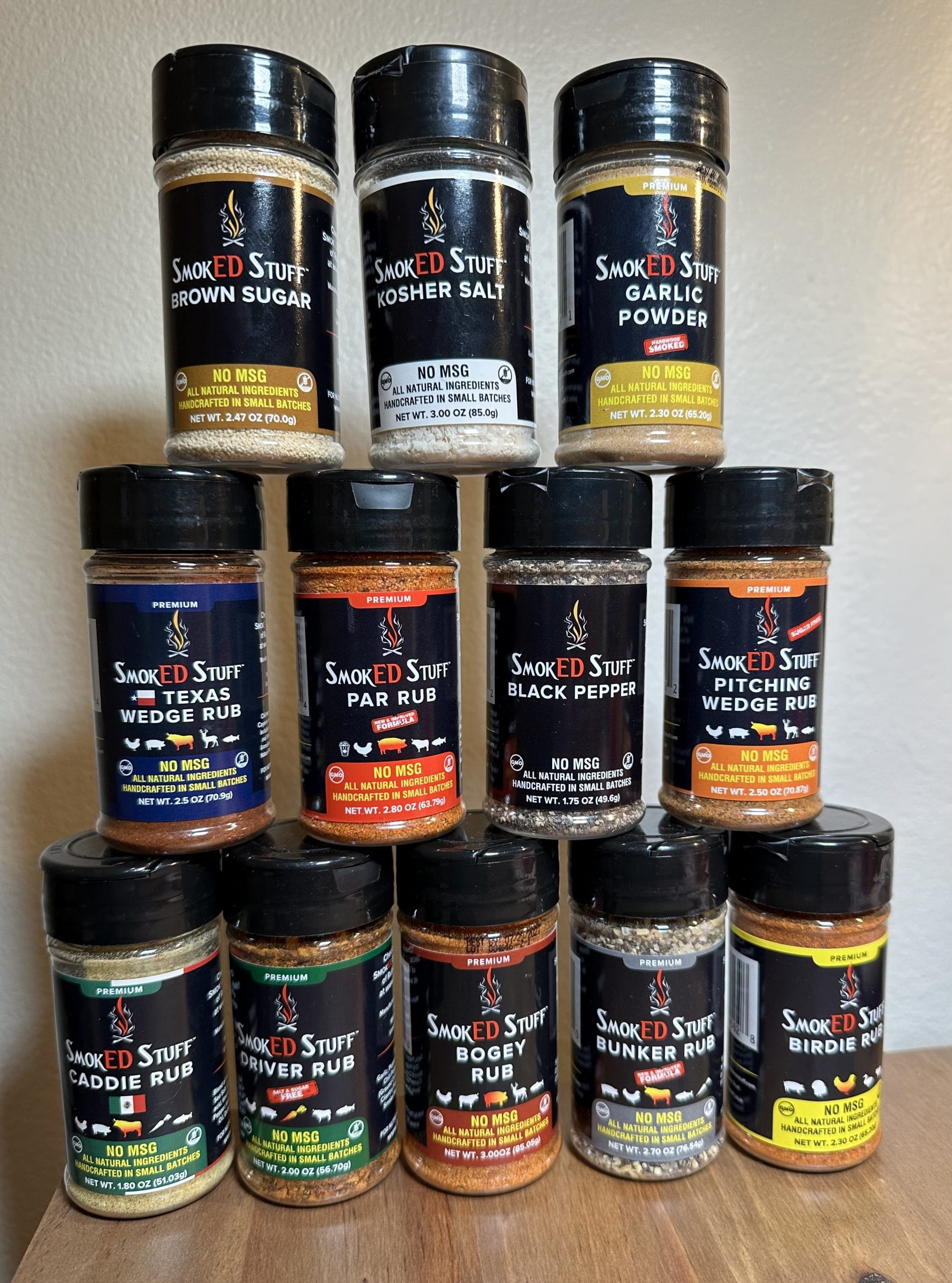
Every SmokED Stuff product is gluten-free. The ingredient lists are short by design — spices, sometimes salt, sometimes sugar, and hickory smoke from real wood. No fillers, no anti-caking agents, no wheat-derived ingredients.
The manufacturing process uses dedicated equipment without wheat-containing products. If you have celiac disease and have specific questions about manufacturing practices, contact us directly at smokedstuff.com — we’ll give you a straight answer.
Naturally Gluten-Free BBQ Cooking
Beyond the rub itself, here are places gluten can sneak into BBQ cooking:
- BBQ sauce: Many commercial sauces contain Worcestershire sauce (which often has malt vinegar) or soy sauce. Look for certified gluten-free sauces or make your own.
- Marinades: Same issue — soy sauce, teriyaki, and some vinegars contain gluten.
- Beer in the marinade: Most beer contains gluten. Cider or gluten-free beer works as a substitute.
- Shared grill grates: Gluten contamination from previous cooks can transfer. Clean grates thoroughly or use foil if cross-contamination is a concern.
A clean-label BBQ rub like SmokED Stuff’s lineup removes one variable from the equation. Start with a genuinely gluten-free seasoning and work outward from there.