
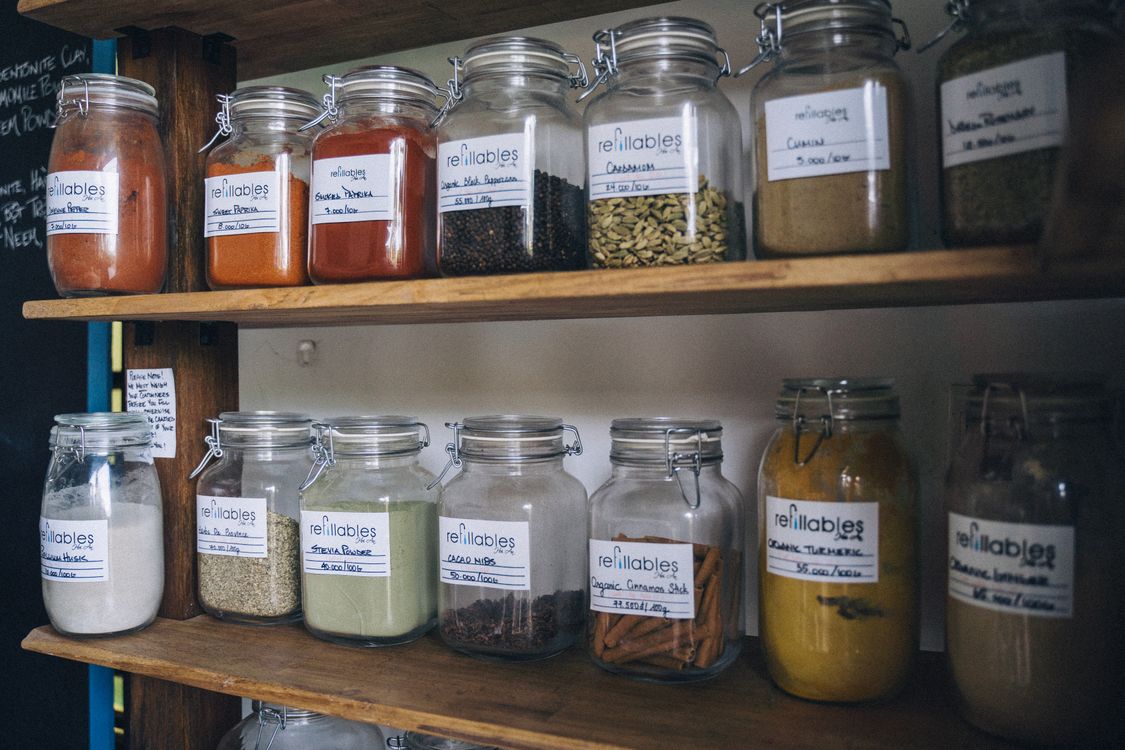
“Clean label” has become one of the most-used — and most-abused — terms in the food industry. You’ll see it on everything from protein bars to hot sauce. But what does it actually mean, especially on a spice jar And how do you know if a brand is genuinely clean-label or just using the term as a marketing claim
Clean Label Has No Legal Definition
This is the first thing to understand: “clean label” is not regulated by the FDA, USDA, or any government body. Any brand can call their product clean label without meeting any specific standard. It’s a marketing term, not a certification.
That doesn’t make it meaningless — it means you have to look past the claim and read the actual ingredient list. The label is marketing. The ingredient list is the truth.
What Clean Label Generally Means
When used honestly, clean label typically means a product avoids:
- Artificial preservatives — sodium benzoate, BHA, BHT, TBHQ
- Artificial colors — Red 40, Yellow 5, Yellow 6, etc.
- Artificial flavors — including artificial smoke flavor
- MSG (monosodium glutamate)
- Fillers and anti-caking agents — silicon dioxide, calcium silicate, sodium aluminosilicate
- Unnecessary additives — ingredients that serve processing convenience rather than flavor
A genuinely clean-label spice jar should have an ingredient list you can read and understand without a chemistry degree. Garlic. Pepper. Salt. Paprika. Real things.
The Spice Industry’s Dirty Secrets
The spice industry has several practices that surprise most consumers:
Anti-Caking Agents
Many spice brands add silicon dioxide or calcium silicate to prevent clumping. These are inert minerals — they don’t add flavor or nutrition — but they do show up on your ingredient list. A clean-label product either skips them entirely or uses packaging that prevents moisture exposure.
Liquid Smoke Disguised as “Natural Flavor”
“Natural smoke flavor” or “smoke flavor” on a spice label almost always means liquid smoke — a manufactured extract, not wood smoke. A brand using real wood smoking doesn’t need to add smoke flavor because the smoke is already in the spice.
Fillers
Some BBQ rubs use maltodextrin, rice flour, or corn starch as carriers — they add volume and change texture but contribute nothing to flavor. They also dilute the actual spice content per serving.
Salt-Forward Formulas
Many commercial rubs list salt as the first ingredient, meaning it’s the heaviest ingredient by weight. The actual spices are secondary. This is common and legal — but it’s the opposite of what most people think they’re buying when they purchase a “BBQ rub.”
How to Read a Spice Label for Real Clean-Label Status
Flip the jar. Ignore the front. Read the back.
- Short ingredient list: The fewer ingredients, the better. Five or fewer is a strong signal.
- Recognizable ingredients: If you can picture every ingredient as a whole food, you’re in good shape.
- Salt not first: Unless you’re buying a salt blend, salt shouldn’t be the first ingredient.
- No “flavor” or “natural flavor”: These are catch-all terms that can hide dozens of compounds.
- No anti-caking agents: Silicon dioxide, calcium silicate, sodium aluminosilicate — if you see these, the brand chose processing convenience over simplicity.
What SmokED Stuff‘s Clean Label Commitment Looks Like in Practice
SmokED Stuff’s ingredient lists are built to pass the label test — not because of a marketing strategy, but because of a founding principle: if you can’t explain every ingredient in plain English, it shouldn’t be in the jar.
The Garlic Powder: Garlic. That’s the whole ingredient list. The smoke is real hickory wood smoke, and it is declared right there as the second ingredient instead of hidden inside “natural flavors.”
The Bunker Rub: salt, black pepper, granulated garlic, ground coriander, and rice hulls. Five ingredients, every one named. The rice hulls are the anti-caking agent, and we say so plainly rather than burying silicon dioxide in the fine print.
Every SmokED Stuff product is MSG-free, gluten-free, and non-GMO. The smoke is real hardwood smoke, declared by name on the panel.
Clean Label vs. Organic vs. Non-GMO
These terms overlap but aren’t the same:
- Organic: Regulated by the USDA. Means the ingredients were grown without synthetic pesticides or fertilizers. Has nothing to do with additives or processing.
- Non-GMO: Can be certified by the Non-GMO Project. Means no genetically modified organisms in the product. Also unrelated to additives.
- Clean label: Not regulated. Generally means no artificial additives, colors, preservatives, or flavors — but requires reading the label to verify.
A product can be certified organic and still contain anti-caking agents. It can be non-GMO and still use liquid smoke. Clean label, when genuine, addresses the question organic and non-GMO don’t: what’s actually in this jar