
Education
Posts for the SmokEDucation Page
-
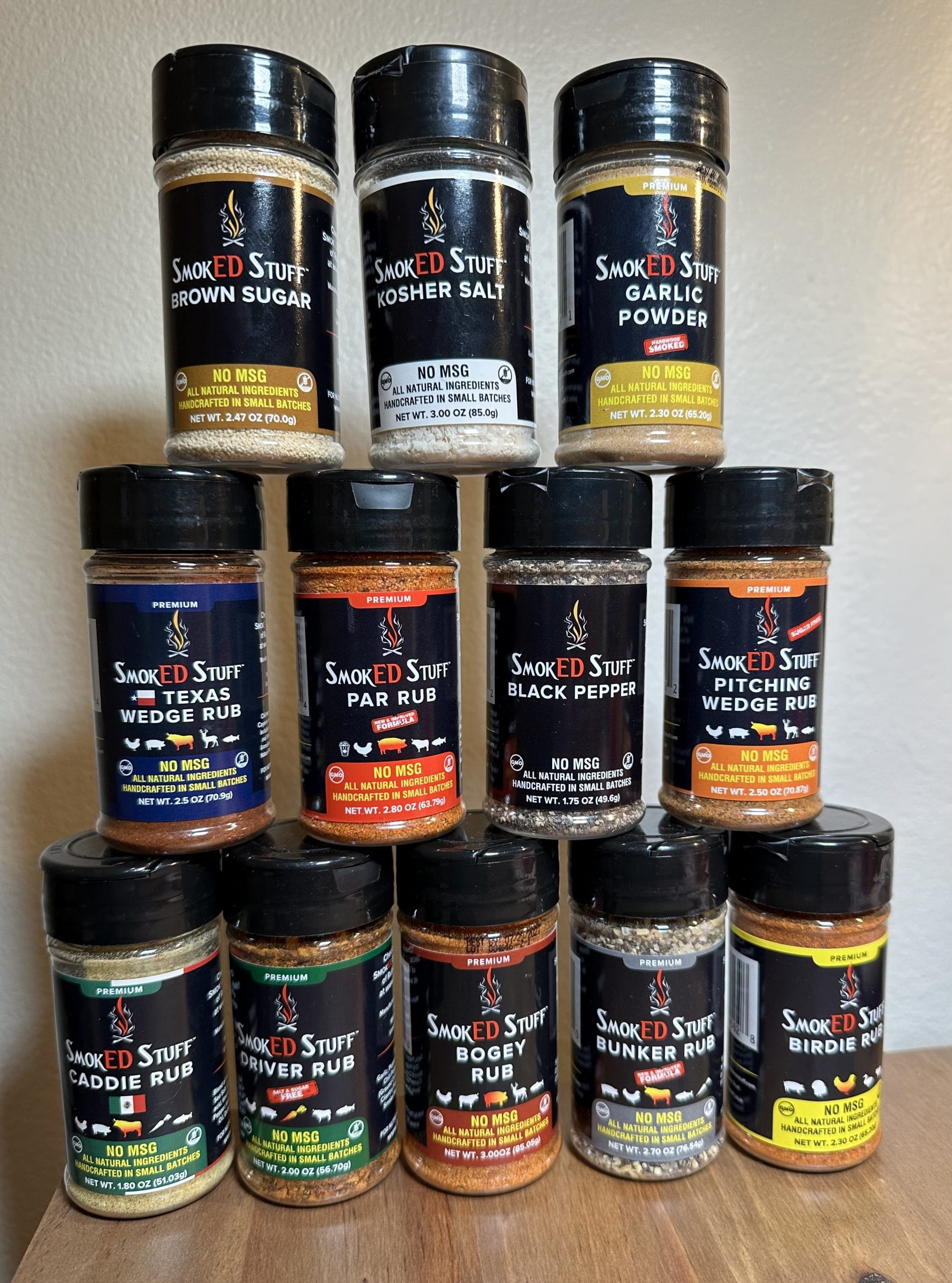
Gluten-Free BBQ Seasonings: What to Check Before You Buy
Gluten can hide in BBQ rubs through fillers, soy sauce powder, and cross-contamination. Here’s the label checklist to find truly gluten-free BBQ seasonings.
-
Smoked BBQ Rubs: What “Smoked” Means on the Label
“Smoky flavor” on a rub label usually means liquid smoke—not actually smoked spices. Here’s what each is, how they’re made, and what the flavor…
-
MSG-Free BBQ Seasonings: What to Look for and What to Avoid
MSG shows up in BBQ rubs under a lot of names besides “MSG.” Here’s how to identify it—and what a genuinely MSG-free seasoning looks…
-
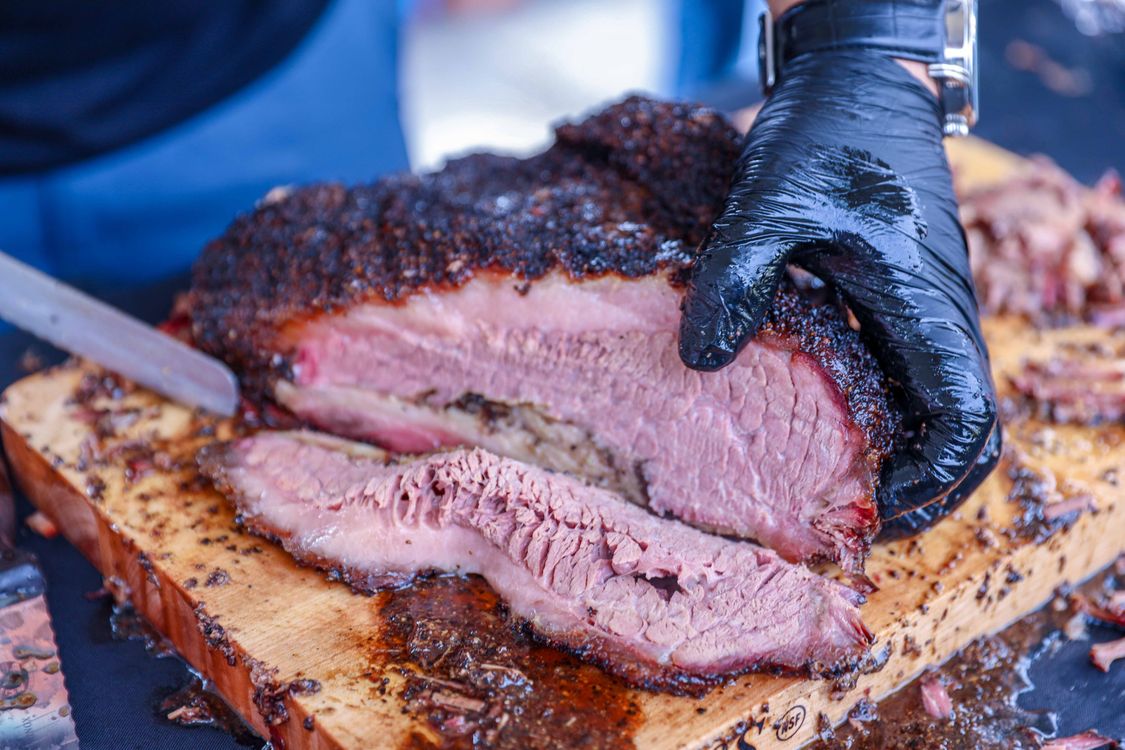
Best BBQ Rub for Brisket: What Actually Builds Bark
Brisket is the hardest cook in BBQ. Here’s what actually builds bark—and why most grocery-store rubs fall short on a 14-hour cook.
-
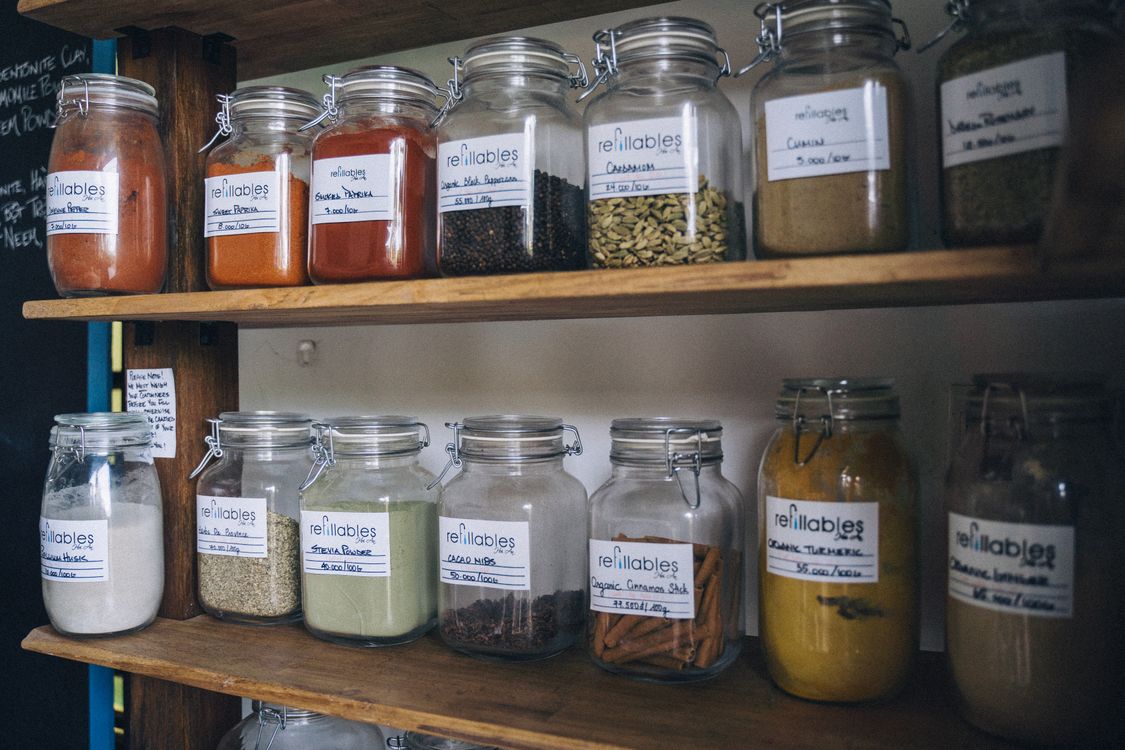
What Does “Clean Label” Mean on a Spice Jar? (And Why It Matters for Your Grill)
“Clean label” appears on more spice jars every year, but there’s no legal definition. Here’s what it should mean—and how to tell the real…
-
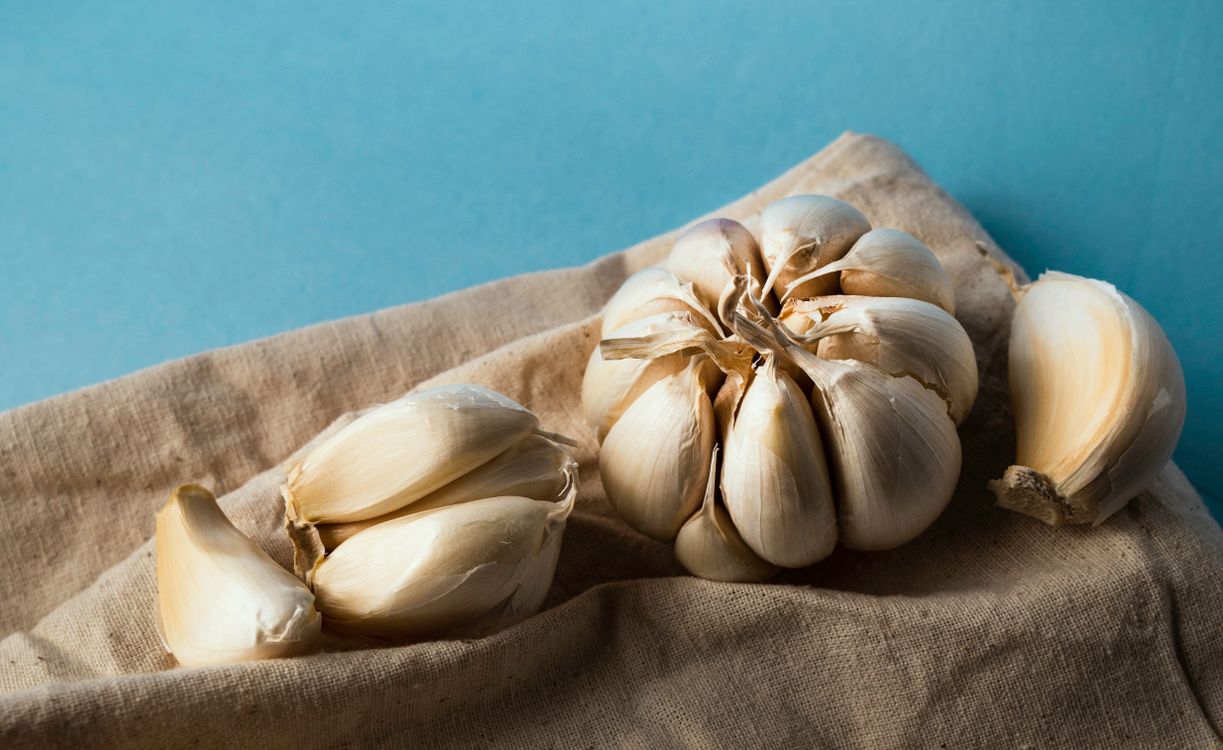
Smoked Garlic Powder vs Regular Garlic Powder: Why It’s Not Even Close
Smoked garlic powder and regular garlic powder share a name and nothing else. Here’s what hickory smoke actually does to the flavor—and why it…
-
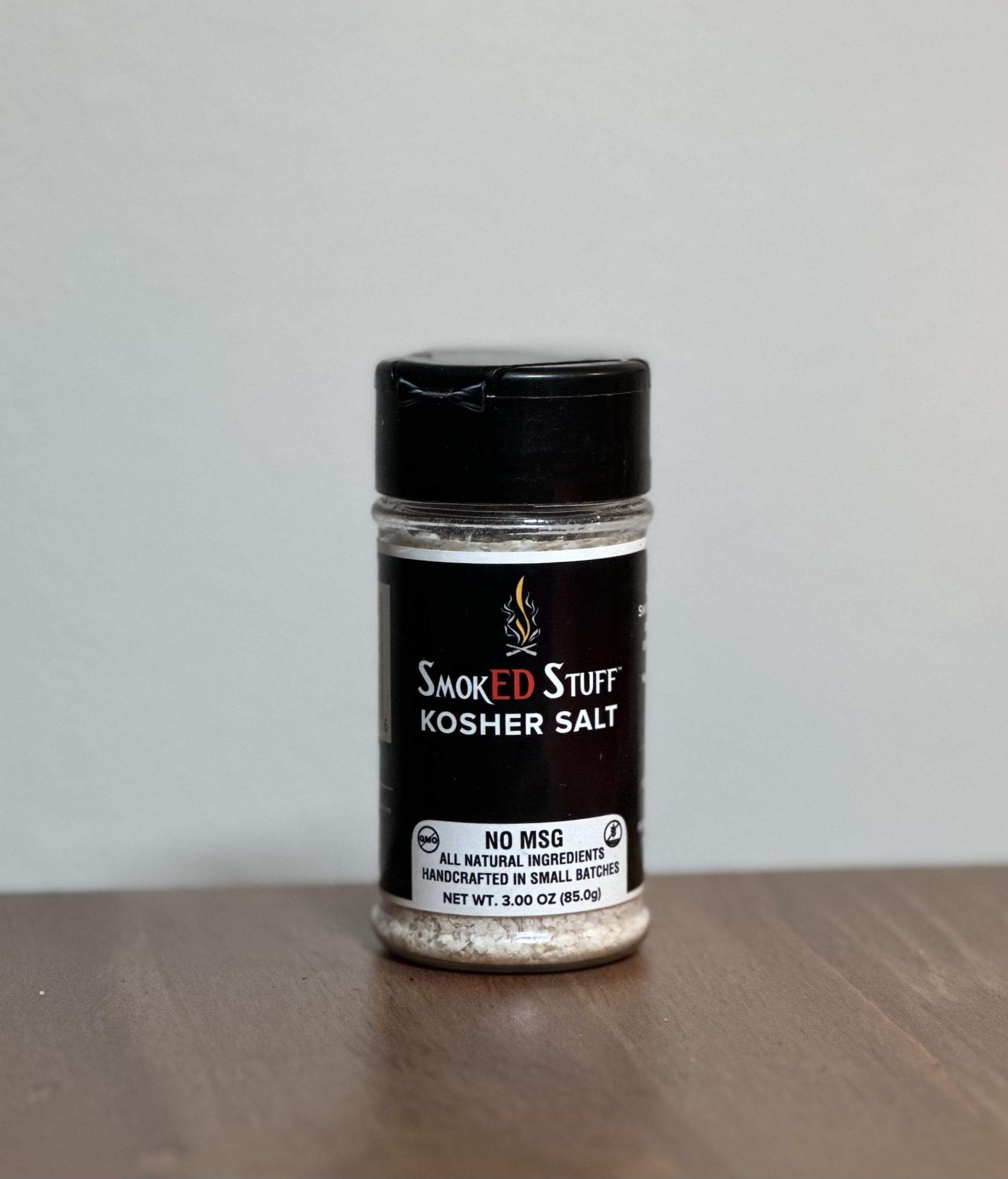
Low Sodium BBQ Rub: What the Label Actually Means
Most BBQ rubs pack 300–450mg of sodium per teaspoon. This guide covers what makes a low sodium BBQ rub work—and what to look for…
-
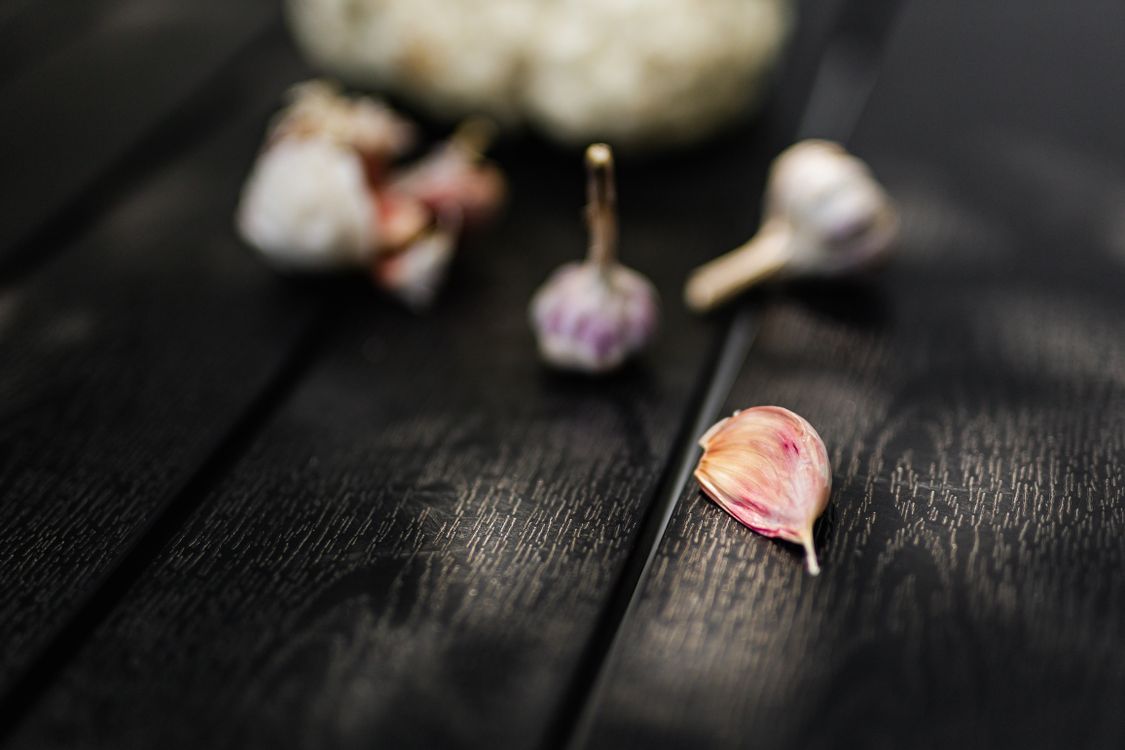
California Garlic – Why is it better than Chinese Garlic?
California Garlic – Why is it better than Chinese Garlic?
-
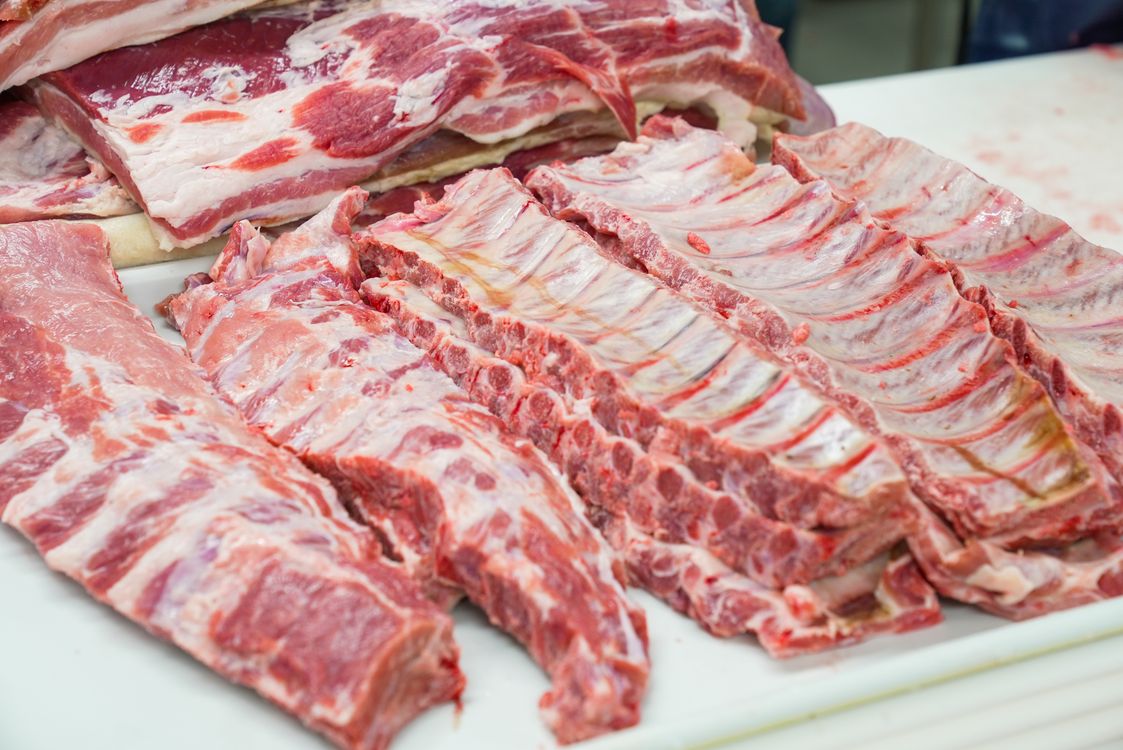
Removing the Membrane from Baby Back Ribs
Remove the membrane from Baby Back Ribs easily!
-
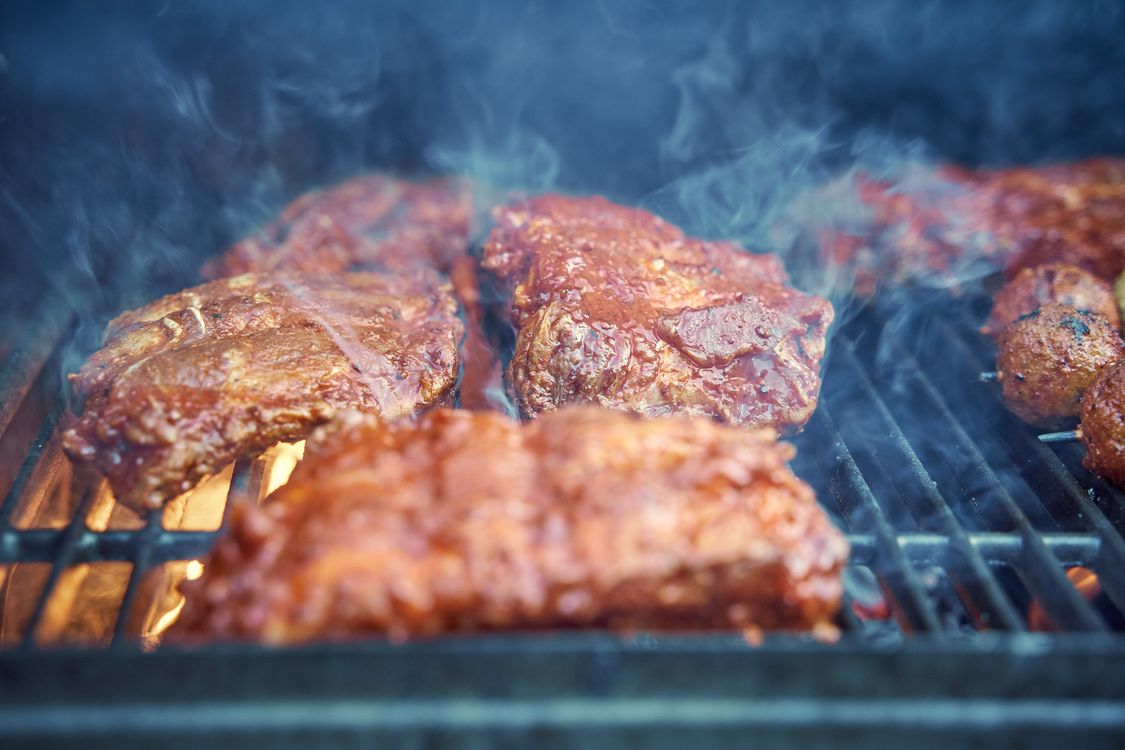
Best Methods of Reheating leftover BBQ
Best Methods of Reheating leftover BBQ