
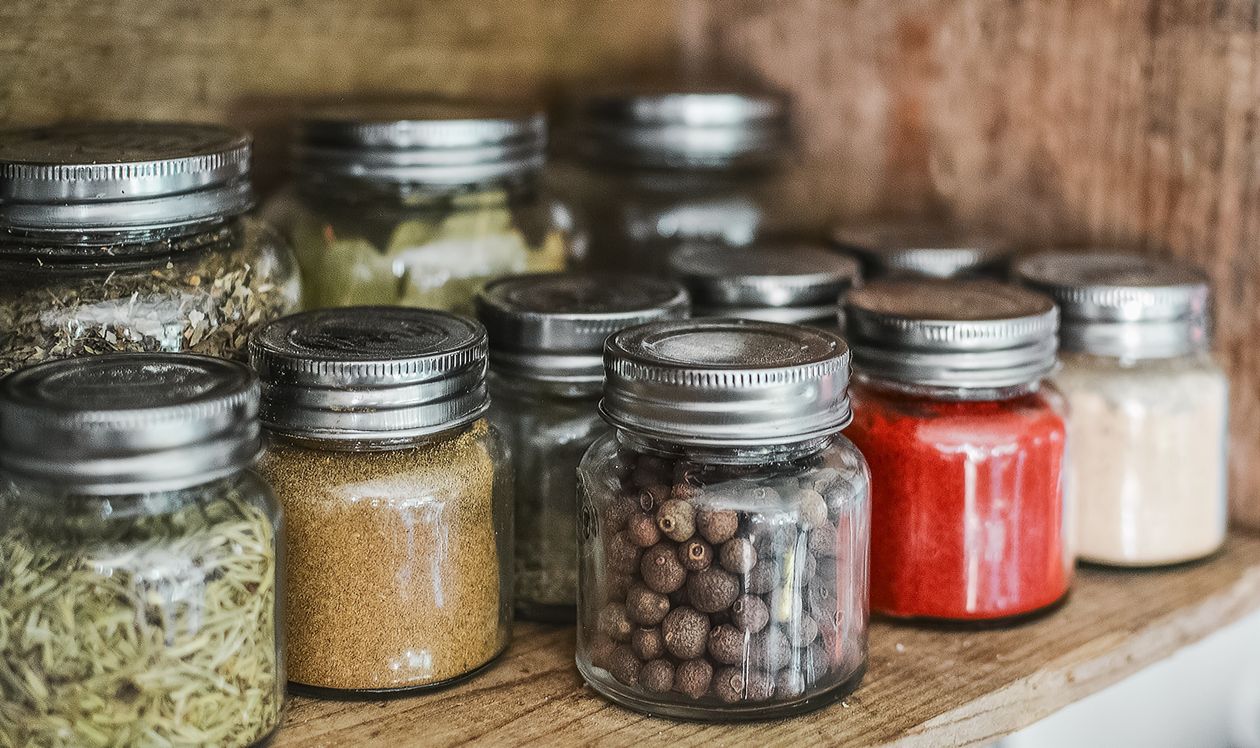
That jar of paprika sitting in the back of your cabinet has a “Best By: March 2022” stamp on the bottom. Is it garbage? Is it fine? Is it somewhere in between? Here’s what those dates actually mean — and the one test that tells you everything you need to know.
Expired ≠ Spoiled
Let’s get this out of the way first: spices don’t spoil the way meat or dairy does. There’s no bacterial growth, no toxins, no food safety issue with a three-year-old jar of garlic powder. You’re not going to get sick from it.
What expires is potency. The volatile oils and compounds that give spices their aroma and flavor — the cinnamaldehyde in cinnamon, the capsaicin in chili, the allicin in garlic — break down over time when exposed to heat, light, air, and moisture. The spice doesn’t go bad. It goes quiet.
So “expired” really means “may be significantly weaker than when you bought it.” That’s a cooking problem, not a safety problem.
The Real Shelf Life of Common Spices
Ground spices lose potency faster than whole spices because grinding increases surface area exposure to air and light. General guidelines:
- Ground spices (paprika, cumin, chili powder, garlic powder, onion powder): 2–3 years at peak potency
- Whole spices (peppercorns, coriander seeds, whole cloves): 4–5 years
- Dried herbs (oregano, thyme, basil): 1–3 years
- Salt: Indefinitely — salt doesn’t expire, period. It’s a mineral, though how you smoke and store it still affects flavor over time.
- Sugar: Indefinitely for plain sugar; brown sugar can harden but doesn’t go bad
- Spice blends and rubs: 1–2 years at full potency, depending on ingredients
These are potency guidelines, not safety deadlines.
The One Test That Actually Matters
Forget the date on the bottom. Smell it.
Open the jar and take a strong whiff — or crush a pinch between your fingers first, which releases the oils. If you get a clear, immediate, distinct aroma, it’s still working. If you smell nothing, or something faint and dusty, it’s done. Your nose is a better instrument than any “Best By” stamp.
The same test works visually for color: vibrant red paprika that’s faded to pale orange has lost significant potency. A garlic powder that’s gone from bright white to yellowish is past its prime.
What Kills Spices Faster — And What Causes Clumping
The enemies of spice potency are heat, light, moisture, and air — in that order.
- Heat is the biggest offender. Storing spices above or beside the stove accelerates degradation faster than almost anything else. Every time the burner runs, the cabinet warms up and the oils break down faster.
- Light degrades color compounds and volatile oils — UV exposure is particularly damaging, which is why quality spice jars are dark glass or opaque containers.
- Moisture is the primary cause of clumping. Humidity in the air — especially in a kitchen — gets absorbed into the spice, causing individual particles to stick together. The result is a solid mass that won’t shake out of the jar. The spice itself is usually still fine; it just needs help getting loose again. More on that in a moment.
- Air oxidizes the compounds responsible for flavor. Every time you open a jar, a little potency walks out with the air that rushes in. Never shake a spice jar directly over a steaming pot — that’s the fastest way to introduce moisture and accelerate clumping.
Store spices in a cool, dark cabinet away from the stove. A drawer is better than a rack by the range.
Clumped Spice Isn’t Dead Spice
A clumped spice jar is one of the most misread signals in the kitchen. People assume it’s gone bad. It almost never has.
Clumping is a moisture problem, not a spoilage problem. The fix is simple: take a dry butter knife and break it up. That’s it. Run the blade through the clump a few times until it breaks apart, and the spice is as good as new — same potency, same flavor, fully usable. The only rule is dry: introducing more moisture by using a wet utensil makes the problem worse.
The one exception worth knowing: if you see any discoloration beyond normal fading, or any off smell that isn’t just “less intense,” that’s moisture damage that’s gone further than clumping. That’s the rare case where the jar earns the trash. But a simple solid clump that smells right? Break it up and keep going.
Why SmokED Stuff Products Resist Clumping
Most commercial spice blends use fillers and anti-caking agents — silicon dioxide, calcium silicate, compounds you’d need a chemistry degree to pronounce — specifically to combat clumping. At SmokED Stuff, we take a different approach: we use granulated ingredients wherever possible.
Granulated products have larger, drier particles with less surface area exposure to ambient moisture. They resist absorbing humidity from the air and stay free-flowing longer than fine-ground alternatives. No chemical anti-caking agents. No additives. Just a better starting material that doesn’t clump as easily in the first place.
That said, no spice is immune to a humid kitchen or a lid that wasn’t fully tightened. If a SmokED Stuff rub or spice ever does clump up on you — same answer: dry butter knife, break it up, good as new. Granulated ingredients break apart cleanly and go right back to work. You’re not losing anything.
Why SmokED Stuff Spices Are Worth Storing Right
Most mass-market spice brands buy in bulk, warehouse it for months, and stamp a date that’s already well into the product’s life by the time it reaches your shelf. You’re buying potency that’s already partially spent.
SmokED Stuff spices go one further: they’re smoked in small batches with real wood — bourbon barrels, hickory, oak, depending on the spice. The smoking process absorbs a second layer of volatile compounds on top of the spice’s natural oils. That means freshness isn’t just about the garlic or the paprika in isolation; it’s about the smoke character being intact too.
Unopened and stored properly, SmokED Stuff spices will hold peak potency well within normal shelf life. Once opened, use within 12–18 months for the fullest smoke-forward flavor. After that? Still safe. Still usable. Just progressively quieter — and these are flavors worth hearing at full volume.
Frequently Asked Questions
Will expired spices make me sick?
No. Spices don’t spoil like meat or dairy. There’s no bacterial growth or food safety risk from an old jar of garlic powder. What you lose is potency — flavor and aroma — not safety. “Best By” is a quality date, not a safety deadline.
What does “Best By” actually mean on a spice jar?
It means the manufacturer estimates peak potency through that date — not that the product becomes unsafe after it. Spices past their Best By date may be noticeably weaker, but they won’t harm you. Use the smell test to judge what’s actually in the jar.
How can I tell if a spice is still good?
Smell it. Crush a pinch between your fingers and take a strong whiff. A clear, immediate, recognizable aroma means it’s still working. Faint, dusty, or nothing at all means it’s spent. Color is a secondary signal: faded paprika or yellowed garlic powder has lost significant potency.
My spice clumped up — is it ruined?
Almost certainly not. Clumping is a moisture problem, not a spoilage problem. Grab a dry butter knife, break up the clump, and it’s as good as new. The key word is dry — a wet utensil introduces more moisture and makes it worse. If the clumped spice smells right and looks normal, it’s fully usable.
Why don’t SmokED Stuff products clump as much?
We use granulated ingredients wherever possible. Granulated particles are larger, drier, and less prone to absorbing ambient moisture than fine-ground alternatives — so they stay free-flowing longer without any chemical anti-caking agents. If one does clump up, the dry butter knife fix works just as well.
How should I store my spices?
Cool, dark, and away from the stove. A cabinet or drawer away from the range is ideal. Heat is the biggest enemy of spice potency — every time your burner runs, a spice rack above the stove takes damage. Also avoid shaking jars directly over a steaming pot, which introduces moisture.
Does salt expire?
No. Salt is a mineral — it has no organic compounds to degrade. Stored properly, it lasts indefinitely. Same goes for plain white sugar. Brown sugar can harden into a brick over time, but it doesn’t expire or go bad; it just needs to be broken up before use.